
Sub-Total: £0.00
Experts in Concept 2 Solution.
“We listen, we understand”
- Our team have over 25 years of experience
- We offer a complete ‘concept to solution’ bespoke integration service for clients requiring planning, design, installation and integration of broadcast and media systems
- We have successfully completed Broadcast & Professional system integration projects across the world, specialising in Africa and the Middle East
- We can offer a simple fit out to a full design and consultancy service for every stage of your project
- We bring together the skills and experience required to turn your concept and budget into a tailor-made, working solution.
- We understand technology and workflow and have a unique understanding of the production element from Sports, entertainment to news.
- Our team have extensive experience in Production.
- Major Broadcasters consult with our engineers on their future projects and workflow requirements.
We pride ourselves on providing a genuinely personal service, regardless of the size or location of your project. In addition to the first-class sourcing and design services we offer, we also give you a personal, single point of contact and the freedom to change any aspect of your project, at any time, with minimum impact on your schedule.
We are unique. We are not only approved equipment resellers for major industry manufactures and system integrators, but our expert team also know production.
Our team have extensive experience in Production which in addition to understanding technology and workflow, they have a unique understanding of the production element from Sports and entertainment to news. This enables us to bring technology into our systems offerings that are operator friendly, ensure reduced costs and maintenance and ultimately ensure our customers have a successful production. We fully understand our customers’ needs and challenges whatever they are.
Explore Our Services

Explore Our Services
We Supply
All Kinds of Businesses Worldwide
Including start-up IP broadcast channels, schools and universities, freelance cameramen, hire companies and national broadcasters.
C2S has two distinct lines of business: broadcast equipment supply and broadcast systems integration. These two divisions complement each other, giving our customers advantages that our competitors cannot match.

Our Services
Systems Integration
We pride ourselves on providing a genuinely personal service, regardless of the size or location of your project. In addition to the first-class sourcing and design services we offer, we also give you a personal, single point of contact and the freedom to change any aspect of your project, at any time, with minimum impact on your schedule…
Equipment Sales
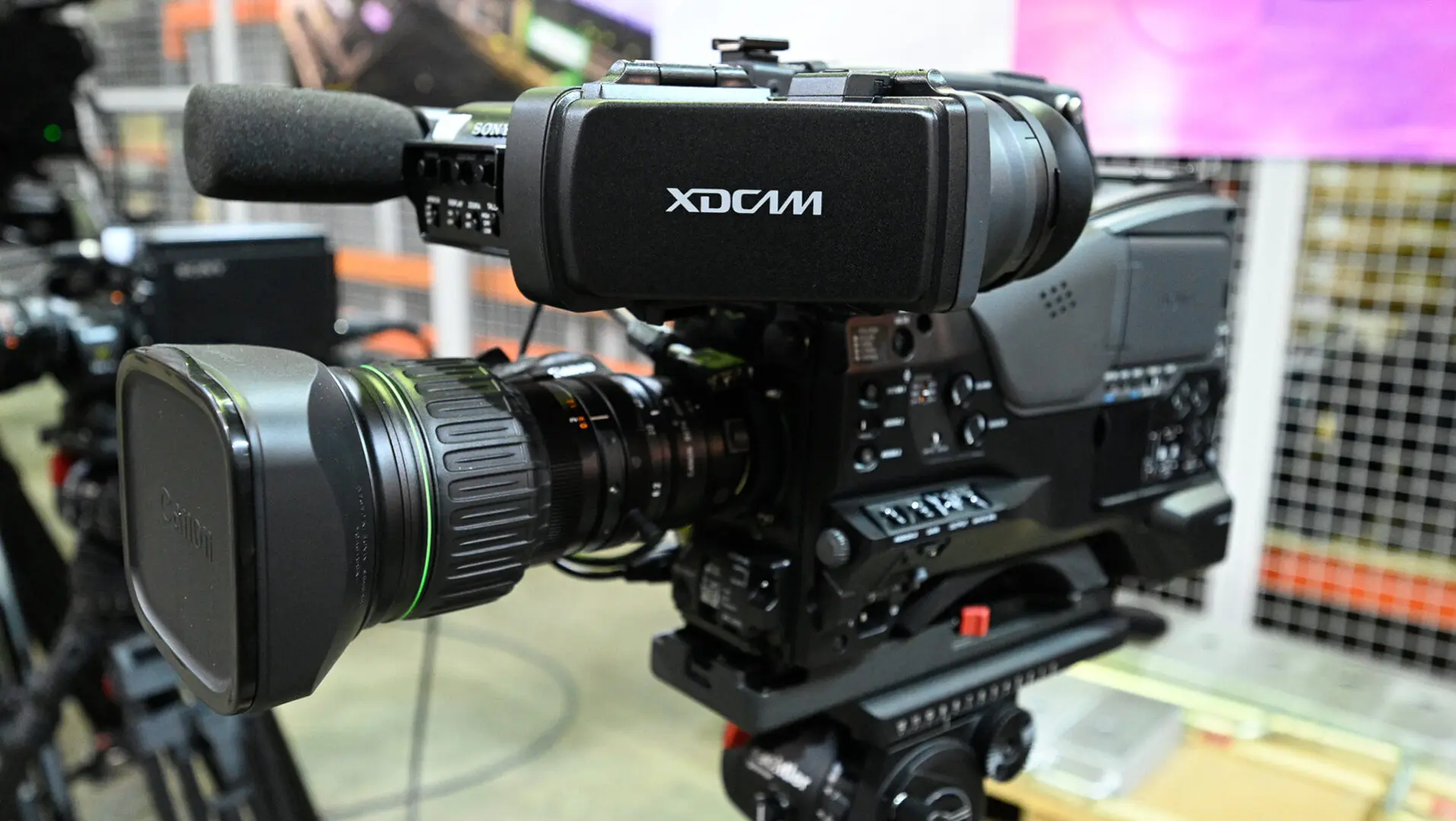
With more than 90 leading broadcast technology brands in our catalogue, C2S Media is a supplier of both new and fully serviced used equipment, as well as installation and maintenance solutions, for broadcast and production.
We have a team of highly trained experts who can provide you with all the assistance you require to deliver your vision, whilst working within your budget.
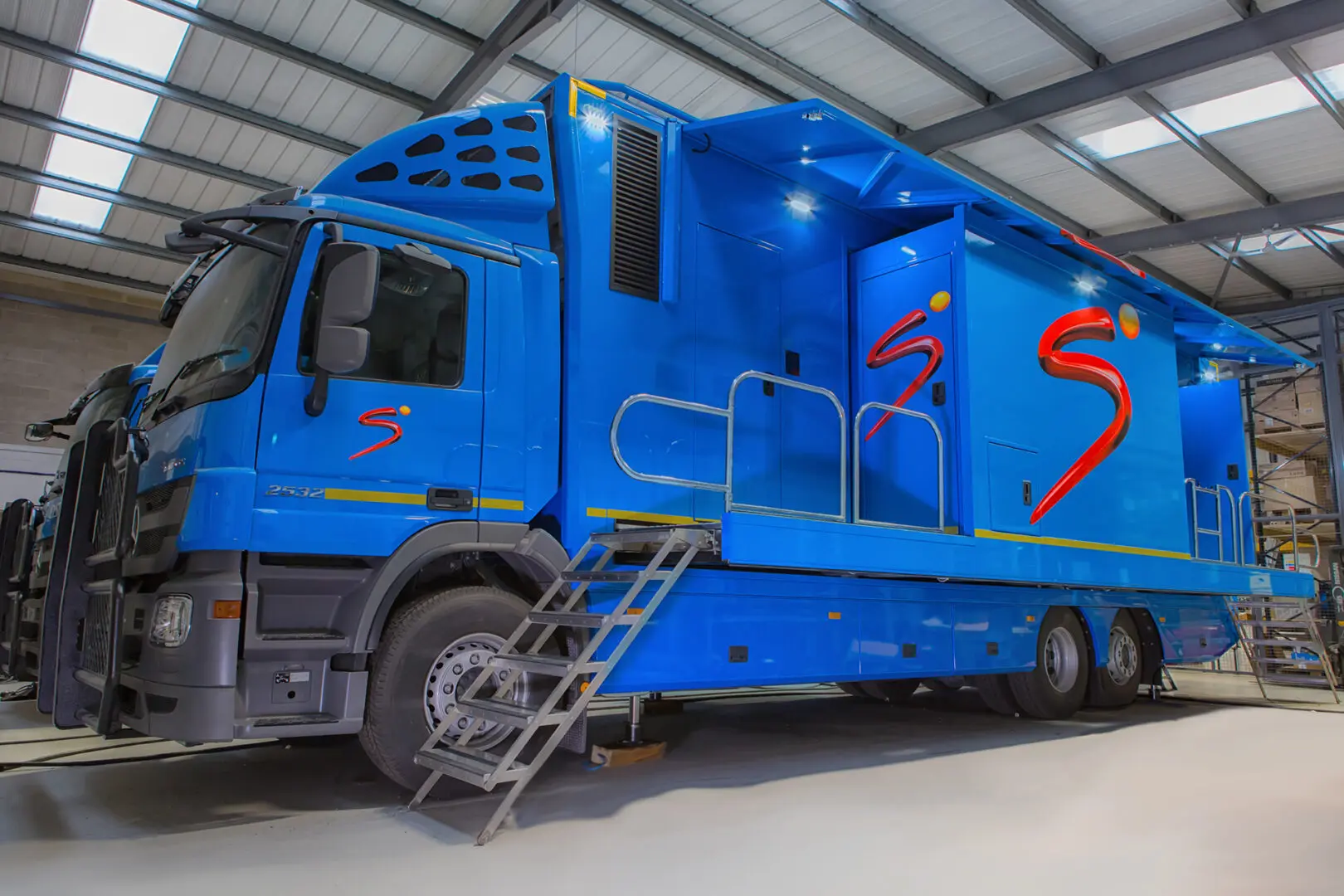
Used Outside Broadcast Vehicles
We have access to a portfolio of Used Outside Broadcast Vehicles and can provide any innovative technical modifications required to suit your workflow and budget.
Due to our extensive experience in building OB Vehicles and from our wide range of new and used equipment, we offer expert advice to ensure that the Used OB Vehicle facilities are optimised to fully meet the needs of your production.
Systems Sales
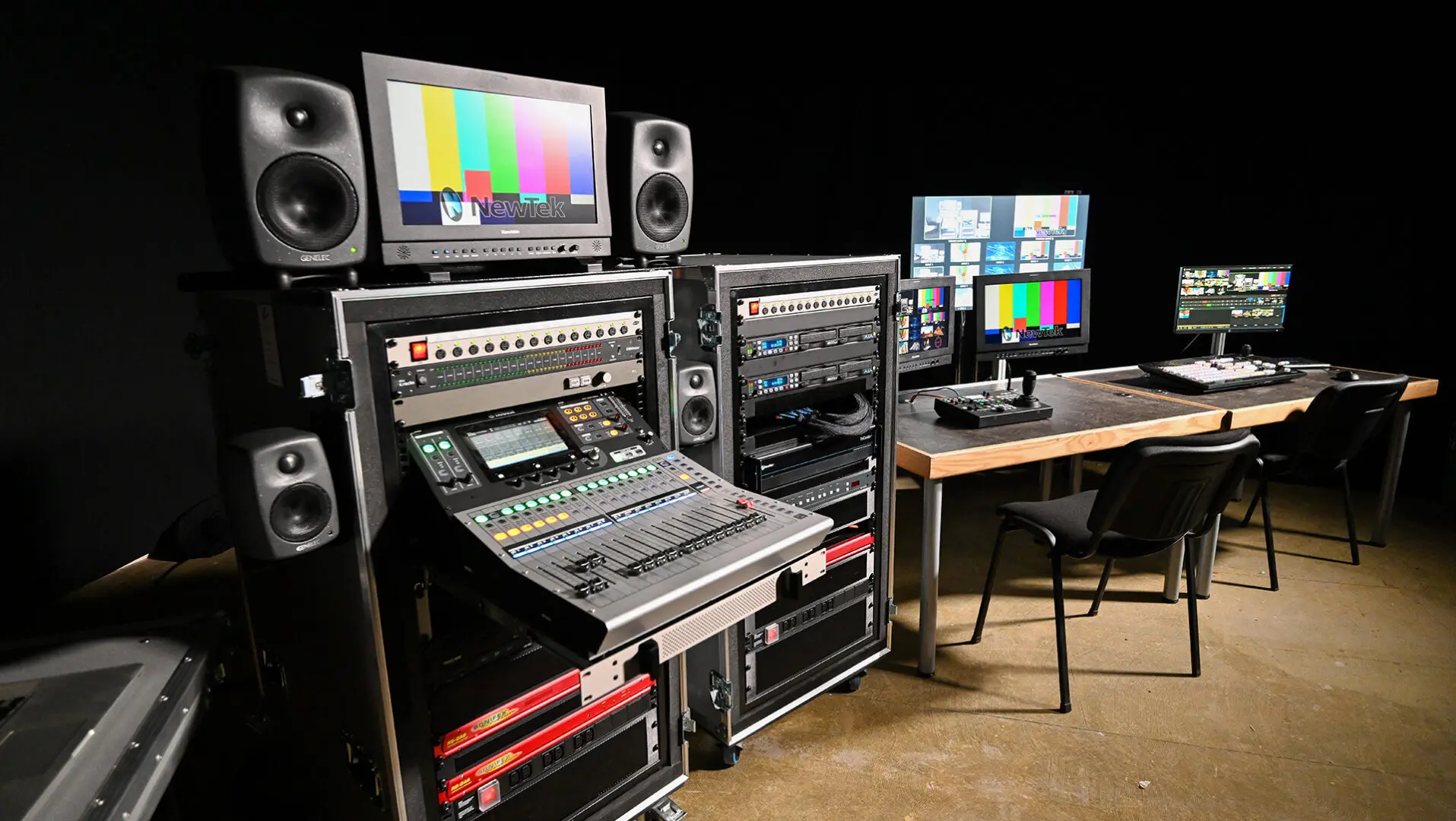
Budgetary ready-made complete systems:
- 4 Camera Studio
- 4 Camera Portable Production Unit (PPU)
- 4-6 Camera OB Vehicle
- Live Streaming System
Studios and Other Facilities
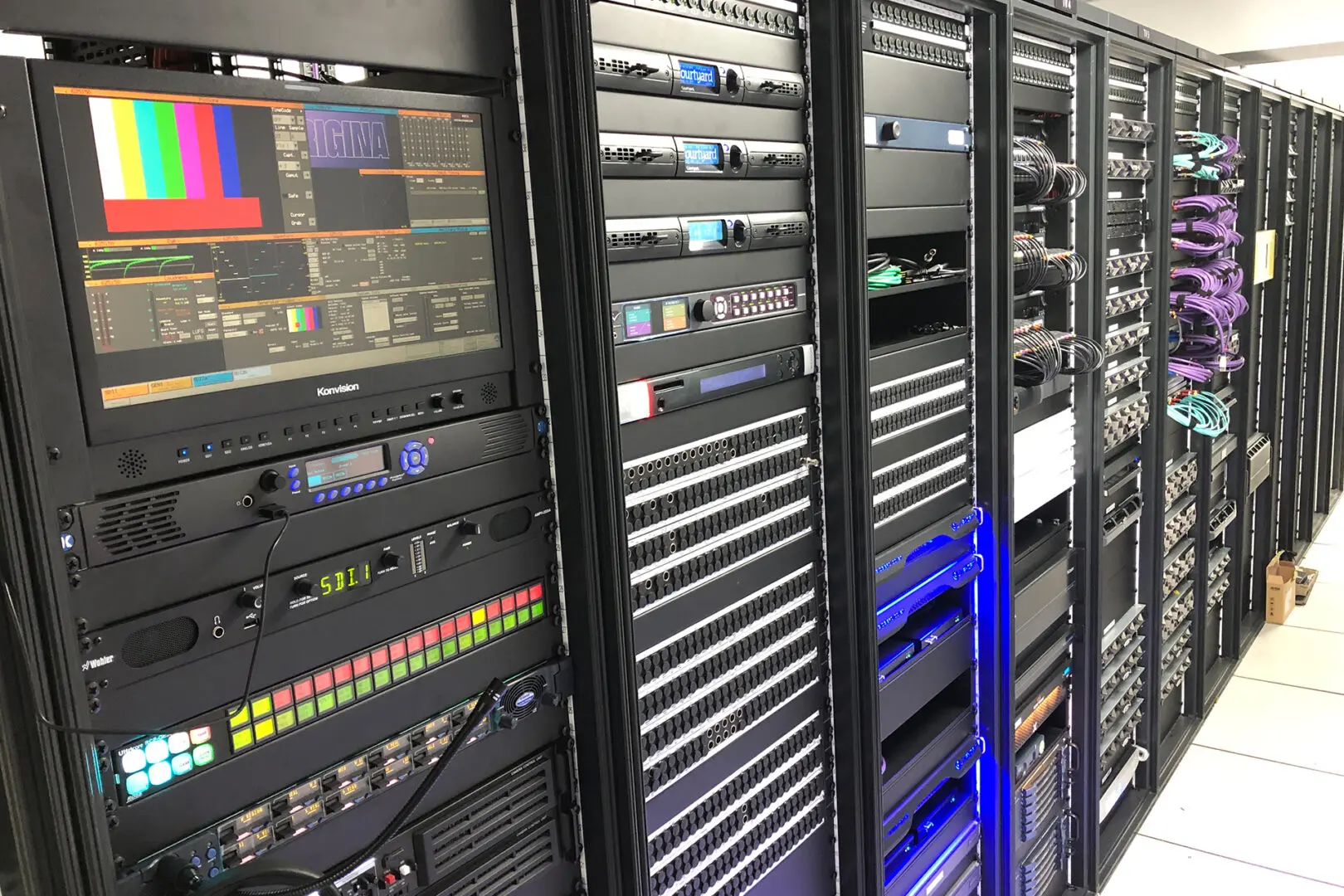
We provide innovative solutions across all types of broadcast media installations – studios, IPTV head-ends, MCR/TX facilities and post-production suites.
We custom-design and build technical furniture, racks and monitor stacks. We utilise modern communication channels to enable customers to monitor the progress of a project.
We plan for, work to, and meet delivery schedules. We provide cost efficiencies through established resources and defined processes.
We make it simple.
Additional Services
Joint Ventures
We are involved in several very successful joint ventures where we become partners with our customers in their success story.
C2S can provide the technology, engineering and the finance support required in building studios, OB vans and provide facilities for maintaining and running a production company.
System Finance
We are working closely with financial institutes that allow us to provide short and long term finance for our customers for system projects we are building world-wide.
The system finance can be offered (subject to approval) to individuals, private organisations and Government projects.
Consultancy
Technical and workflow consultancy and production support and training.
 English
  French